
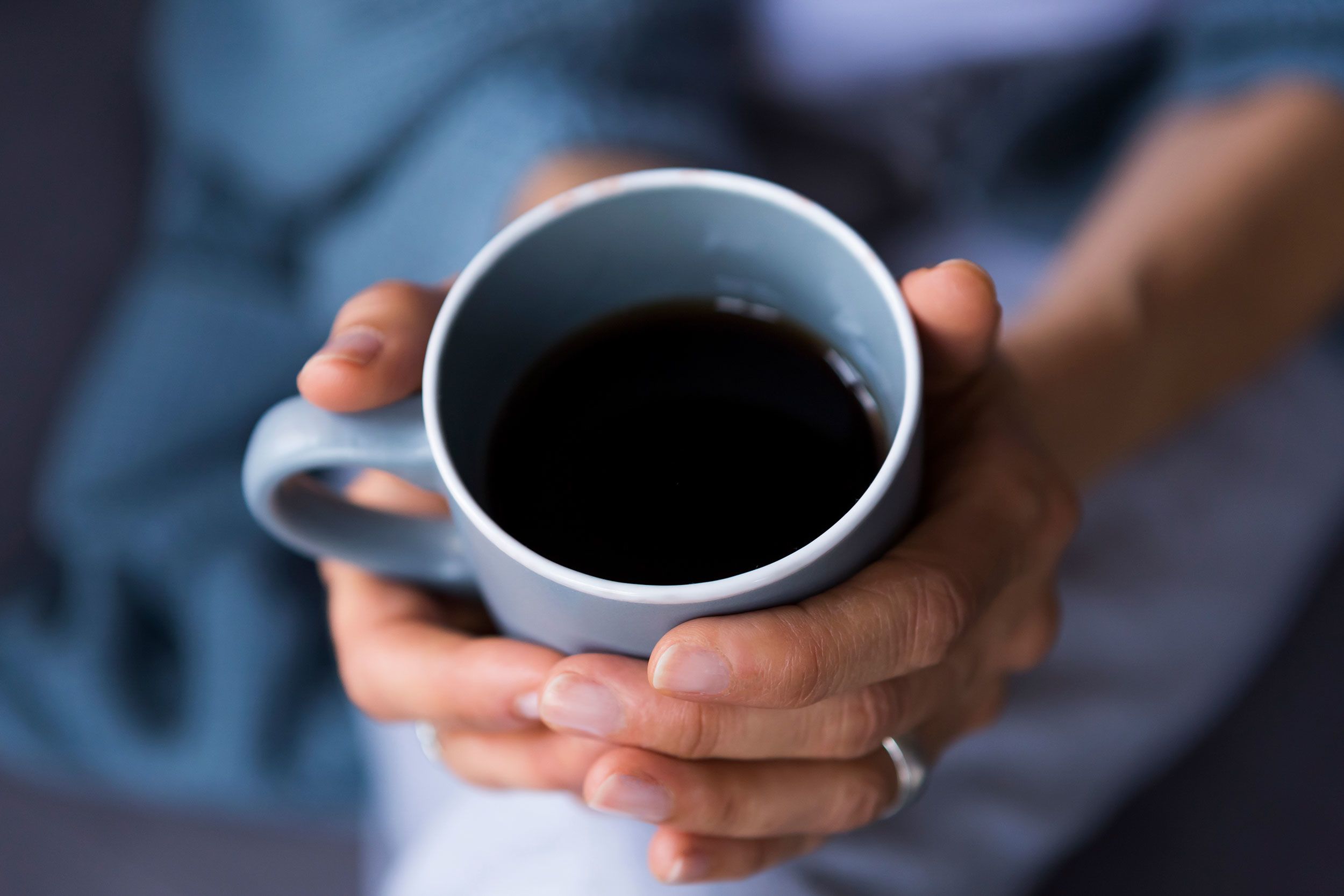
With millions sipping their morning coffee to start the day, recent research has generated new buzz about caffeine consumption.
A large UK study from September found that moderate caffeine consumption from coffee or tea reduced the risk of developing multiple cardiometabolic diseases such as heart disease, stroke and diabetes. Another study, published in January, concluded that drinking coffee in the morning was especially beneficial in reducing cardiovascular disease and premature death.
That’s nice to know, but what is the evidence for coffee’s health benefits? And what is the underlying physiological basis of these benefits? How much coffee is good for most people, according to these studies — and how much is too much? Should some people be especially careful about coffee consumption? And if you don’t like coffee, are there similar benefits from drinking tea or other beverages?
To help with these questions, I spoke with CNN wellness expert Dr. Leana Wen. Wen is an emergency physician and adjunct associate professor at George Washington University. She previously was Baltimore’s health commissioner.
CNN: What’s the evidence for coffee’s health benefits, and what is the underlying physiological basis of these benefits?
Dr. Leana Wen: The evidence is quite strong. In addition to the recent studies, a plethora of research over decades has found that moderate consumption of coffee is associated with lowering the risk of developing multiple diseases, including heart disease, diabetes, certain cancers and even dementia.
Exactly why this is the case is not known, though there are several hypotheses. For instance, coffee contains chemicals that are thought to have antioxidant and anti-inflammatory properties, perhaps contributing to its effect on reducing cancer risk.
Substances contained in coffee could help the body better use insulin and assist with blood sugar control. And some ingredients could help better process cholesterol, possibly contributing to protecting against negative outcomes. More research is needed to understand what components of coffee have beneficial health effects.
CNN: How much coffee is good for you?
Wen: Many of these studies found positive health effects at a moderate level of consumption, which is generally defined as between two and four cups of coffee per day.
In the 2024 UK study, the risk of developing multiple new cardiometabolic diseases was reduced by over 48% for those who had three cups of coffee per day compared with those who didn’t drink or who drank less than one cup a day.
According to a large 2022 study, the biggest decline in early mortality was seen for those who drank two to three cups of coffee a day. Interestingly, this study found that ground coffee consumption lowered the risk of early death the most (27%). Instant coffee had less of an effect (11%).

CNN: How much coffee is too much?
Wen: The concern with too much coffee is about consuming too much caffeine, which can cause heart palpitations, anxiety, restlessness and difficulty sleeping. According to the US Food and Drug Administration, 400 milligrams of caffeine per day is safe for most adults. That is approximately the amount in four 8-ounce cups of brewed coffee.
Many people exceed this amount and experience no ill effects. But people who have sleep difficulties or other problems should be aware that these could be due to caffeine consumption.
CNN: What about caffeine from espresso, teas and sodas?
Wen: One 1-ounce shot of espresso contains around 60 to 70 milligrams of caffeine. A cup of black tea typically has 40 to 50 milligrams of caffeine but can have as much as 90 milligrams. Green teas and white teas will have less caffeine. Sodas also vary in caffeine content, but typically a 12-ounce serving will have 3 milligrams to 70 milligrams of caffeine.
Other drinks I want to be sure to flag are energy drinks. These drinks can contain large amounts of caffeine, often packing 200 or even 300 milligrams in one serving. People should be aware of the total amount of caffeine and other ingredients they are consuming through the day for all these different beverages. Sodas and energy drinks can contain a lot of added sugars, for instance, along with other chemicals that are not good for your health.
CNN: Should some people be especially careful about coffee consumption?
Wen: Yes. The American Academy of Pediatrics recommends that children under 12 do not consume caffeine. Children ages 12 to 18 should not exceed 100 milligrams of caffeine per day.
Pregnant women should also be cautious about caffeine intake. According to the American College of Obstetricians and Gynecologists, less than 200 milligrams a day is not associated with miscarriage or preterm birth; it recommends limiting intake to under this amount during pregnancy. Small amounts of caffeine can pass from the breastfeeding mother to infant, but less than 300 milligrams a day should be safe for breastfeeding women, according to the US Centers for Disease Control and Prevention.
Other people who should use caution include those with underlying heart conditions and those who use medications that could make someone more sensitive to the effects of caffeine, such as certain thyroid and antidepressant medications.
In addition, people who have trouble sleeping should consider limiting their caffeine intake to the morning hours. Those who have questions about their specific medical circumstances should consult a health care provider.
CNN: What about those who don’t drink coffee? Can they get similar benefits from tea or other caffeinated beverages?
Wen: This is an interesting question. It’s not known at this time whether the health benefit from coffee is from the caffeine in the coffee, which could be replicated through non-coffee drinks, or whether they are intrinsic to what’s in the coffee itself.
There may be benefits to drinking tea, whether it contains a large amount of caffeine or not. Some studies have found that drinking tea is also associated with lower mortality and lower risk of some diseases. This benefit does not apply to other caffeine-containing drinks like energy drinks and sodas; whatever benefit the caffeine in these drinks could have would likely be negated by the negative health impacts of added sugars and other chemicals.
In short, my takeaway from these studies about coffee isn’t that everyone needs to drink it. Adults who do probably have some health benefit if they drink it in moderation. Everyone needs to be aware of the total caffeine intake they have, and there are people — notably young children — who really should not be consuming caffeine.