
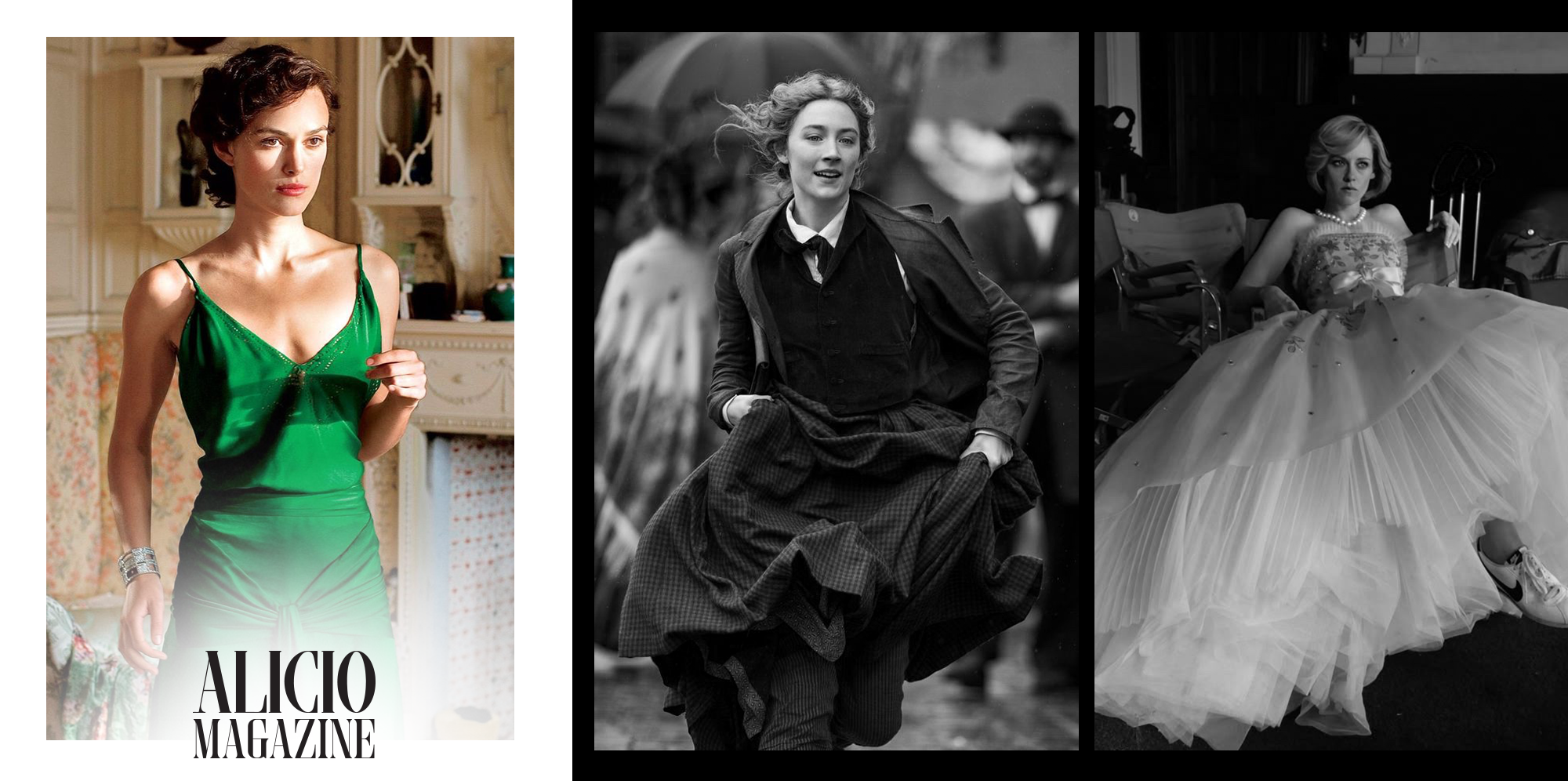
Fashion in cinema is not just an outer garment – it is a silent yet powerful language. Through every stitch and seam, characters become more vivid, their pasts are hinted at, their personalities are etched, and even their inner conflicts are woven into each layer of fabric. On the grand silver screen, costumes become witnesses to the entire storytelling journey – both subtle and irreplaceable.
When a dress becomes the narration
In the world of cinema, costumes serve more than just an aesthetic purpose – they are a second language, often running parallel to, and at times even surpassing, dialogue and action. A bright red dress against a gloomy backdrop can evoke a sense of rebellion, while an old sweater can carry the weight of a forgotten childhood.
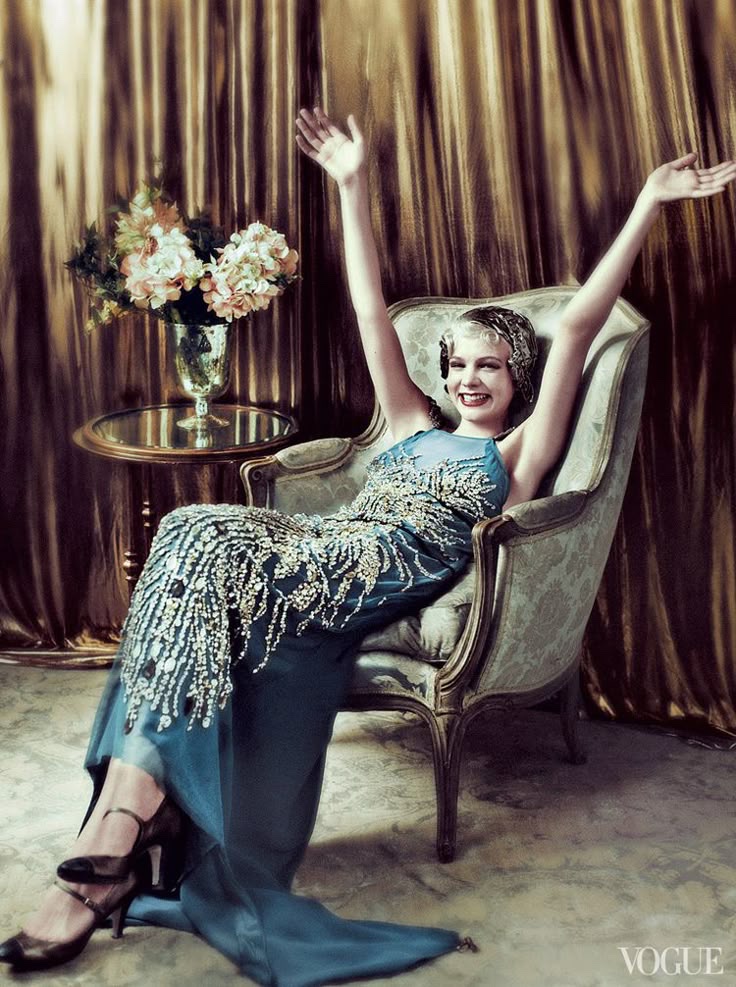
Nowhere is this more evident than in visually meticulous films like Phantom Thread (Paul Thomas Anderson, 2017), where the fashion designer protagonist not only creates dresses but imbues each piece with subtle emotions. Each gown is a repressed feeling, sent without words. Similarly, in The Great Gatsby (Baz Luhrmann, 2013), the pearls, feathers, and fringed dresses become expressions of the opulence of the 1920s – also reflecting the gilded emptiness of the American Dream.
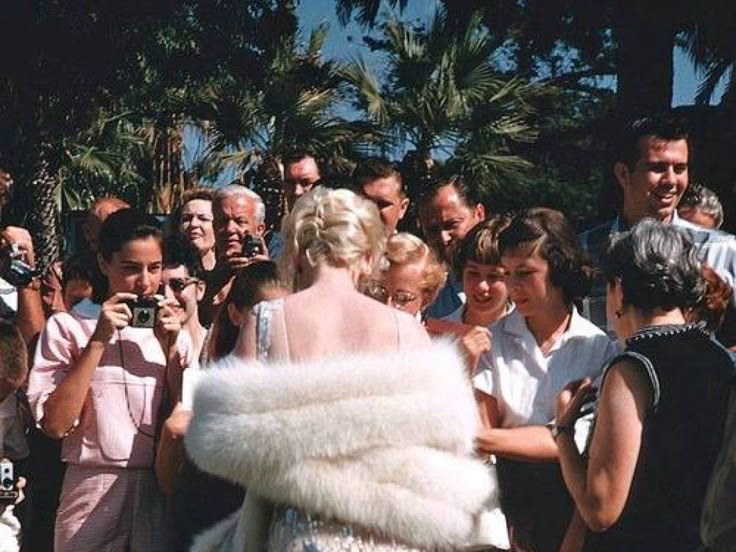 Fashion – The time’s memories and recognition
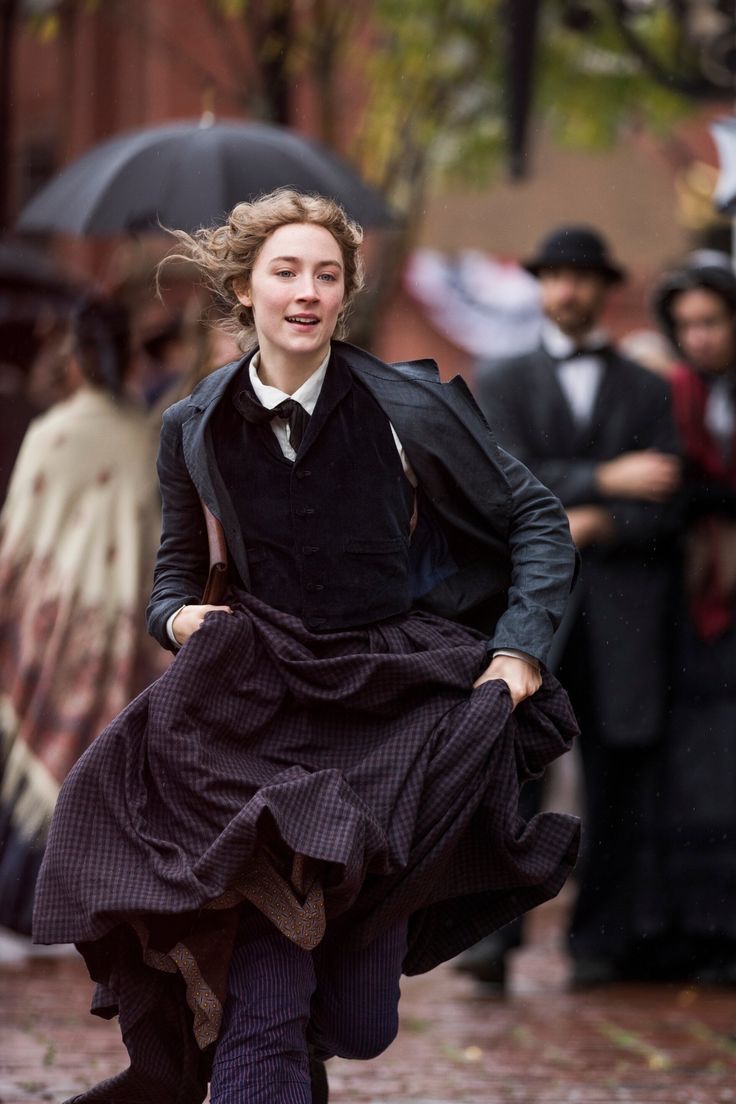
Each layer of clothing is also a layer of history. They capture the subtle shifts in society and the human psyche. In Little Women (Greta Gerwig, 2019), the transformation of Jo March’s wardrobe – from corsets to more masculine attire – is not merely an aesthetic choice; it symbolizes her quiet rebellion as a woman who wants to write, to live differently. The thread that stitches Jo’s dress is the very thread that connects the individual to the era – both personal and universal.
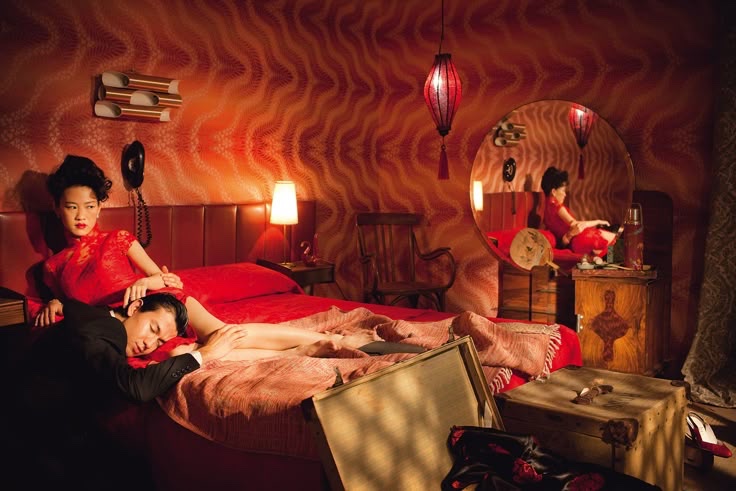
 French cinema also tells stories through fabric with great subtlety. In La Belle Personne (2008), the young characters wear trench coats, white shirts, and pleated skirts as if they were living in the post-war romantic era. Meanwhile, Asian cinema – with In the Mood for Love (Wong Kar Wai, 2000) – elevates the cheongsam to an iconic status. The cheongsams worn daily by the female protagonist evoke a sense of repetition, while also symbolizing restraint, ritual, and a desire never fully voiced.
 The silence of the fabrics – When fashion speaks up for emotions
Not every character needs to vocalize what they feel. Fashion, in this case, becomes a wonderful companion. An outfit can be filled with contradictions – it can be a shield or a way for a character to scream out their loneliness.
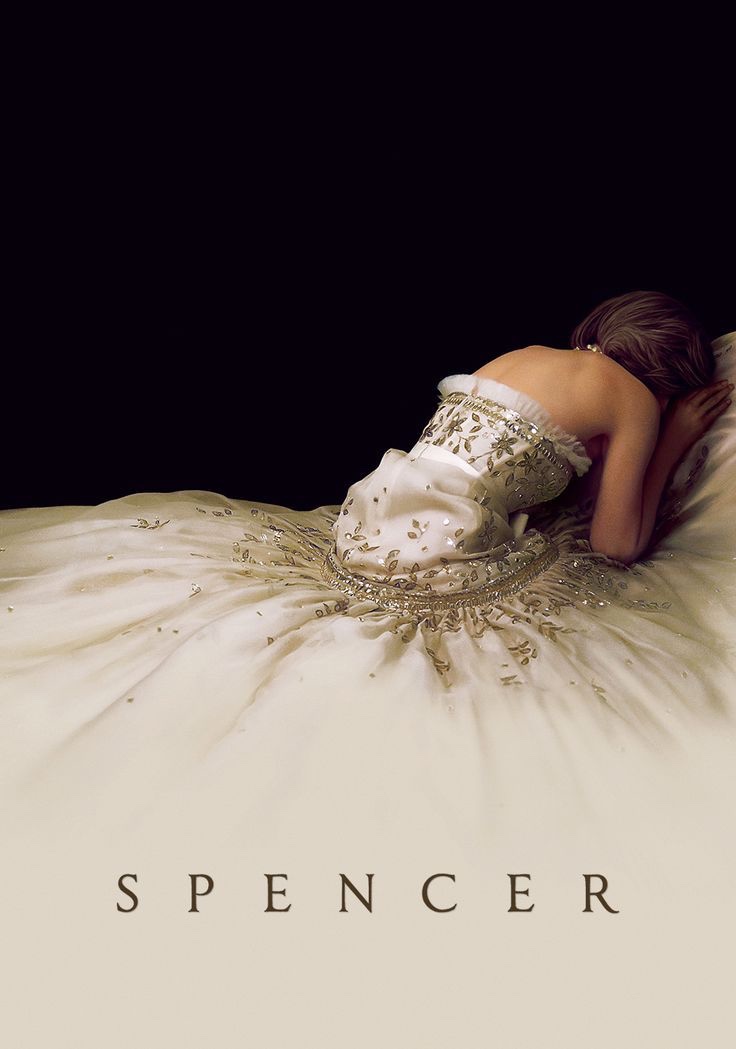
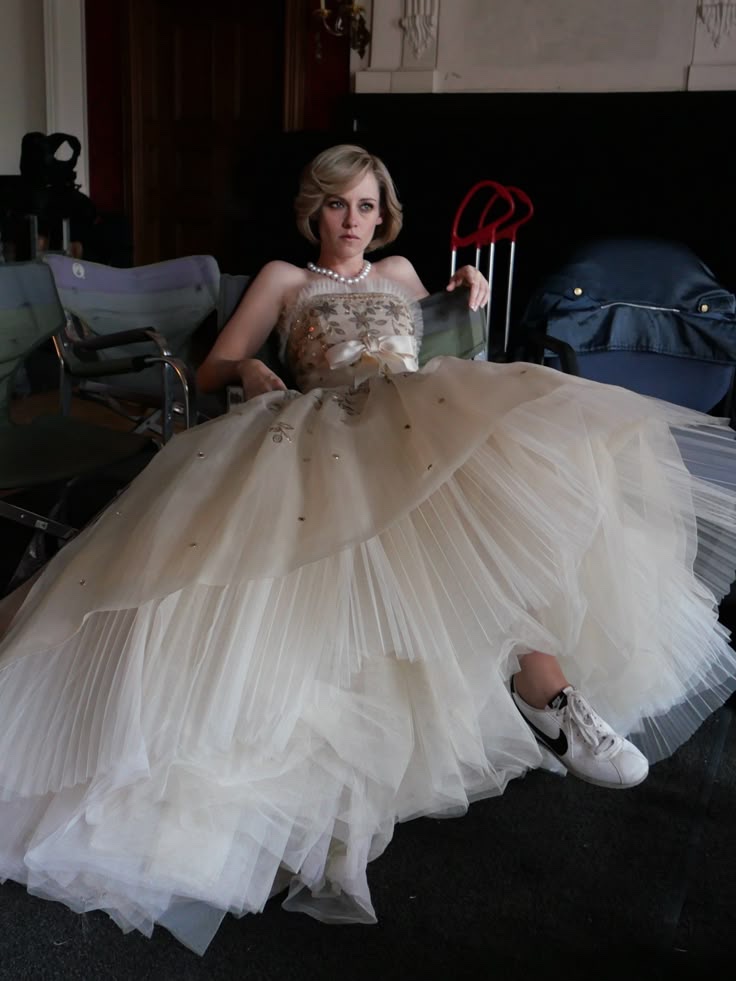
 In Spencer (Pablo Larraín, 2021), Kristen Stewart, playing Princess Diana, doesn’t need many lines of dialogue for the audience to understand her insecurity, pain, and confinement. The “decorative” dresses Diana is forced to wear become symbols of suffocation. They are beautiful – but feel like shackles. Each fold of fabric is a reminder of the role she is compelled to play – without deviation.
 Moviemakers and designers: When two worlds come as one
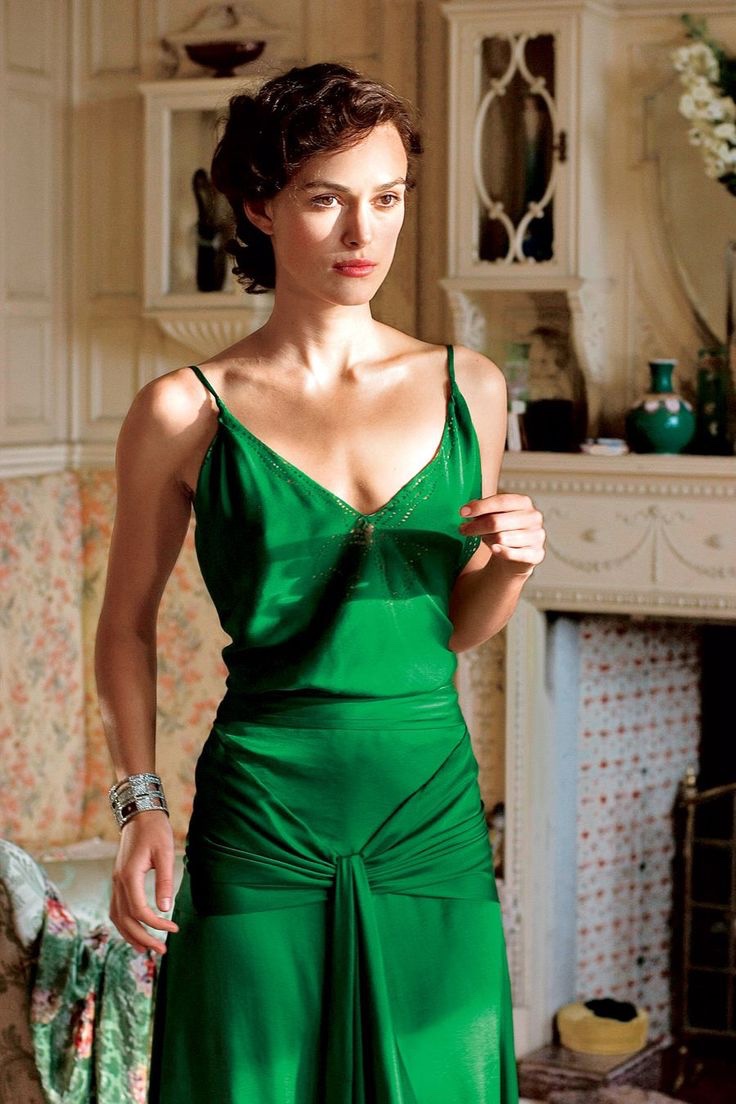
The collaboration between filmmakers and costume designers is always a harmonious dance. One notable example is Jacqueline Durran, who won an Oscar for designing the iconic green dress in Atonement (2007), which is considered one of the most symbolic gowns in modern cinema. Another is Eiko Ishioka, who created the mystical fabrics in Bram Stoker’s Dracula (1992), where fashion plays a role on par with acting and lighting.
 More recently, in TV series like Euphoria and The Queen’s Gambit, costumes are not just a background element – they almost become independent characters. They reflect psychological changes, define personal style, and directly inspire real-life fashion choices beyond the screen.
 Fashion in cinema doesn’t just make characters look better – it makes them more real. Every fold, every material, every color carries layers of meaning, telling stories that sometimes cannot be expressed through words. Amidst the noise of the cinematic world, fashion retains the power of silence – quiet yet haunting. And perhaps, it is in that silence that we truly grasp the depth of a film.
Taylor | Cameron Truong